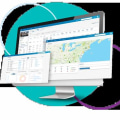
Lease management is a critical aspect of real estate and business operations that involves the administration of lease agreements throughout their lifecycle. At its core, lease management encompasses the processes of negotiating, executing, and monitoring leases to ensure compliance with terms and conditions. This practice is essential for both landlords and tenants, as it helps to optimize the use of property assets while minimizing risks associated with leasing. Understanding lease management begins with recognizing its definition: it is the systematic approach to managing lease agreements, which includes tracking important dates, payments, and obligations. Effective lease management not only safeguards the interests of property owners but also enhances tenant satisfaction by ensuring that all parties adhere to their commitments.
In a world where real estate transactions can be complex and multifaceted, having a robust lease management strategy is vital. The importance of lease management extends beyond mere compliance; it plays a significant role in financial planning and operational efficiency. By maintaining accurate records and utilizing technology for lease tracking, businesses can make informed decisions regarding property utilization, budget forecasting, and strategic planning. As we delve deeper into this topic, we will explore various aspects of lease management, including best practices and tools that can streamline the process for both landlords and tenants.
The Importance of Lease Management
Effective lease management is essential for both businesses and property owners, as it directly impacts financial performance, compliance, and operational efficiency. Understanding the importance of lease management can help organizations mitigate risks and maximize their assets.Financial Implications
- Cost Control: Proper lease management allows businesses to track expenses related to leasing agreements, ensuring that they stay within budget and avoid unexpected costs.
- Revenue Optimization: By managing leases effectively, property owners can enhance their revenue streams through timely renewals and strategic pricing adjustments.
- Cash Flow Management: A well-structured lease management process helps in forecasting cash flows accurately, which is crucial for maintaining liquidity.
Compliance Issues
- Regulatory Adherence: Lease agreements often come with specific legal requirements.
Effective lease management ensures compliance with local laws and regulations, reducing the risk of legal disputes.
- Audit Preparedness: Maintaining organized records of leases makes it easier to prepare for audits, ensuring that all documentation is readily available and compliant.
Operational Efficiency
- Streamlined Processes: Implementing a robust lease management system can automate routine tasks, freeing up valuable time for staff to focus on strategic initiatives.
- Improved Communication: Clear visibility into lease terms and conditions fosters better communication among stakeholders, including tenants, landlords, and property managers.
Key Components of Lease Management
Effective lease management involves several key components that ensure the smooth operation of leasing agreements. Understanding these components is crucial for both landlords and tenants to maintain a healthy relationship and avoid potential disputes.- Lease Agreements: The foundation of any lease management process is the lease agreement itself.
This document outlines the terms and conditions of the lease, including rental amounts, payment schedules, and responsibilities of both parties. A well-drafted lease agreement serves as a reference point for all future interactions.
- Tracking Obligations: One of the essential elements of lease management is tracking obligations. This includes monitoring payment due dates, maintenance responsibilities, and compliance with local regulations. Utilizing software tools can streamline this process, ensuring that both landlords and tenants are aware of their commitments.
- Renewal Processes: As leases approach their expiration dates, managing renewals becomes critical.
This component involves assessing whether to renew the lease, renegotiate terms, or terminate the agreement. Effective communication during this phase can prevent misunderstandings and foster a positive leasing experience.
- Record Keeping: Maintaining accurate records is vital in lease management. This includes keeping copies of all signed agreements, correspondence, and payment histories. Proper documentation can protect both parties in case of disputes or legal issues.
- Compliance Management: Ensuring compliance with local laws and regulations is another crucial aspect of lease management.
This may involve understanding zoning laws, safety regulations, and tenant rights. Staying informed about legal requirements helps mitigate risks associated with leasing properties.
Lease Management Software: Tools and Solutions
In today's fast-paced business environment, lease management software has become an essential tool for organizations looking to streamline their leasing processes. These software solutions not only help in tracking lease agreements but also provide valuable insights into financial obligations and compliance requirements.When evaluating the best lease management tools, consider the following key features:- Centralized Database: A robust system should offer a centralized repository for all lease documents, making it easy to access and manage information.
- Automated Alerts: Look for software that provides automated reminders for critical dates such as renewals, expirations, and payment deadlines.
- Reporting and Analytics: Effective lease management software should include reporting capabilities that allow users to analyze lease performance and financial metrics.
- User-Friendly Interface: A simple and intuitive interface can significantly enhance user experience, reducing the learning curve for new users.
- Integration Capabilities: The ability to integrate with existing financial systems or property management software is crucial for seamless operations.
- CoStar Real Estate Manager: Known for its comprehensive features, CoStar offers advanced analytics and reporting tools tailored for real estate professionals.
- LeaseQuery: This solution focuses on compliance with accounting standards, making it ideal for companies needing to adhere to ASC 842 and IFRS 16 regulations.
- ProLease: ProLease provides a user-friendly platform with strong reporting capabilities, making it suitable for businesses of all sizes.
- MRI Software: MRI offers customizable solutions that cater to various industries, ensuring flexibility in lease management processes.
By leveraging these tools, organizations can ensure they are well-equipped to handle their leasing needs effectively.
Challenges in Lease Management
Effective lease management is crucial for organizations, yet it comes with a variety of challenges that can hinder operational efficiency and financial performance. Understanding these challenges is the first step toward developing proactive strategies to mitigate them. One of the most common issues in lease management is the lack of centralized data. When lease agreements are scattered across different departments or systems, it becomes difficult to track key dates, obligations, and compliance requirements. This fragmentation can lead to missed deadlines and costly penalties. Another significant challenge is the complexity of lease agreements themselves.Many leases contain intricate terms and conditions that require careful interpretation. Misunderstanding these clauses can result in disputes or financial losses. To address this, organizations should invest in training for their staff or utilize technology that simplifies lease analysis. Additionally, staying compliant with evolving regulations poses a challenge for many businesses. Changes in accounting standards, such as ASC 842 and IFRS 16, have made lease accounting more complex.
Companies must ensure they are up-to-date with these regulations to avoid non-compliance risks. To overcome these challenges, organizations can implement the following strategies:
- Centralize Lease Data: Utilize a dedicated lease management software that consolidates all lease information in one place.
- Regular Training: Provide ongoing education for employees involved in lease management to ensure they understand the nuances of lease agreements.
- Compliance Monitoring: Establish a system for regularly reviewing compliance with accounting standards and regulatory requirements.
Best Practices for Effective Lease Management
Effective lease management is crucial for maximizing the value of your real estate investments and ensuring compliance with legal obligations. Here are some best practices to enhance your lease management processes:- Centralize Lease Documents: Store all lease agreements and related documents in a centralized digital repository. This ensures easy access and reduces the risk of losing important paperwork.
- Utilize Lease Management Software: Invest in specialized lease management software that automates key tasks such as tracking renewal dates, rent payments, and compliance requirements. This can save time and minimize errors.
- Regularly Review Lease Terms: Conduct periodic reviews of lease agreements to ensure they align with current market conditions and business needs.
This can help identify opportunities for renegotiation or adjustments.
- Establish Clear Communication Channels: Maintain open lines of communication with tenants and stakeholders. Regular updates and feedback can foster positive relationships and facilitate smoother lease negotiations.
- Implement a Compliance Checklist: Create a checklist to ensure all leases comply with local laws and regulations. This proactive approach can help avoid legal issues down the line.
Frequently Asked Questions about Lease Management
Lease management is a critical aspect of property and asset management that involves overseeing lease agreements, ensuring compliance, and optimizing the use of leased assets.Below are some frequently asked questions regarding lease management that can help clarify common inquiries.
- What is the purpose of lease management?
The primary purpose of lease management is to streamline the administration of lease agreements, ensuring that all terms are met and that both parties fulfill their obligations. This includes tracking important dates, managing renewals, and maintaining accurate records. - What are the key components of lease management?
Key components include:- Lease tracking: Monitoring lease terms, expiration dates, and renewal options.
- Compliance management: Ensuring adherence to legal and regulatory requirements.
- Financial management: Overseeing payments, budgeting for expenses, and managing financial reporting related to leases.
- Communication: Facilitating clear communication between landlords and tenants or between departments in an organization.
- How can technology improve lease management?
Technology can significantly enhance lease management by automating processes, providing real-time data access, and improving collaboration. Lease management software can help track deadlines, manage documents, and generate reports efficiently. - What challenges are commonly faced in lease management?
Common challenges include:- Lack of visibility into lease terms and conditions.
- Difficulties in tracking compliance with regulations.
- Managing multiple leases across different locations or departments.
- Ensuring timely payments and renewals.
Conclusion: The Future of Lease Management
In conclusion, lease management is an essential aspect of property and asset management that ensures both landlords and tenants can navigate their agreements effectively.Throughout this article, we have explored the various components of lease management, including its definition, key processes, and the tools that facilitate efficient management.As we look to the future, several trends are shaping the landscape of lease management. These include:
- Technological Advancements: The integration of technology in lease management is becoming increasingly prevalent. Software solutions that automate lease tracking, compliance monitoring, and financial reporting are streamlining operations and reducing human error.
- Sustainability Practices: With a growing emphasis on sustainability, lease agreements are beginning to incorporate green clauses that promote energy efficiency and environmentally friendly practices. This shift not only benefits the planet but also enhances property value.
- Data-Driven Decision Making: The use of big data analytics in lease management allows stakeholders to make informed decisions based on market trends, tenant behavior, and financial performance.
This data-centric approach is crucial for optimizing lease agreements and maximizing returns.
- Regulatory Changes: Staying updated with evolving regulations is vital for effective lease management. As laws surrounding real estate and tenant rights continue to change, proactive adaptation will be necessary to ensure compliance and mitigate risks.