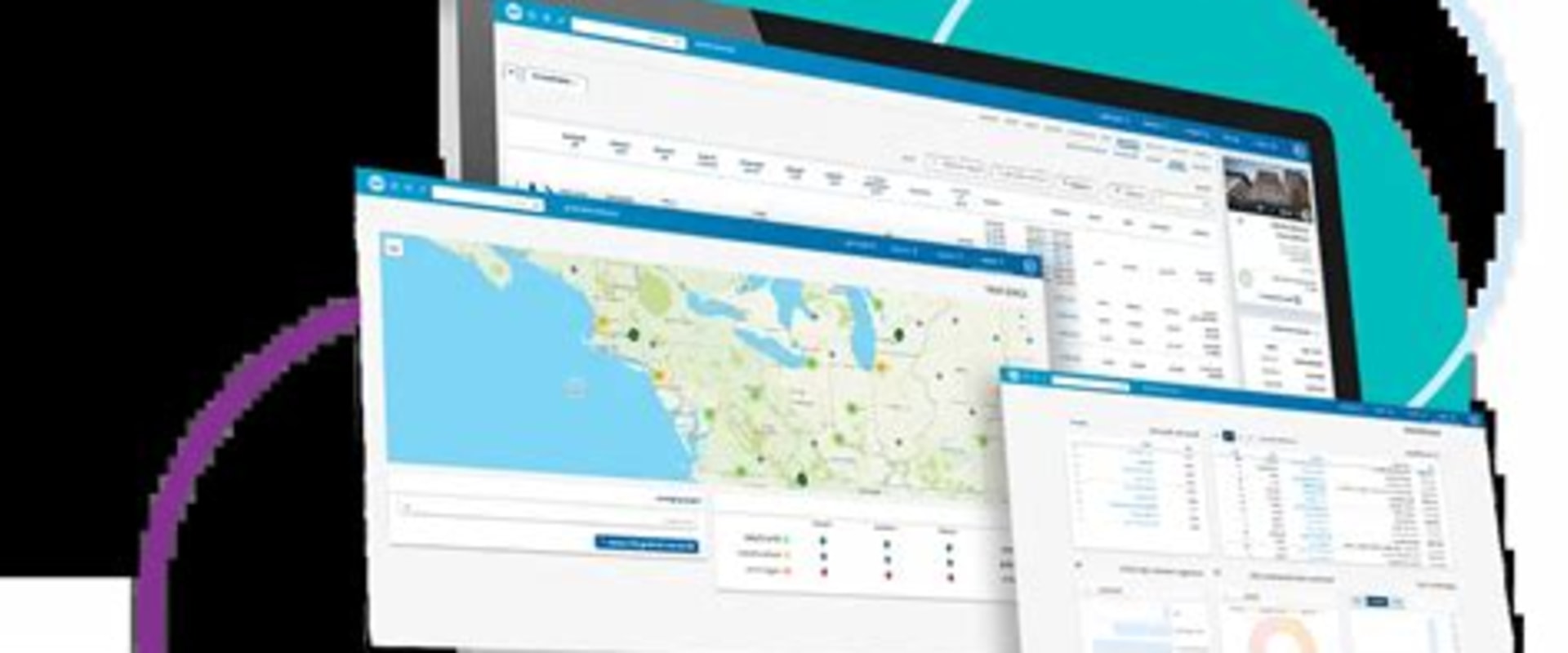
In the realm of real estate and business operations, lease management plays a pivotal role in ensuring that properties and assets are utilized efficiently and profitably. At its core, lease management refers to the systematic process of overseeing lease agreements, which includes everything from negotiation and execution to compliance and renewal. Understanding this concept is essential for businesses that rely on leased properties or equipment, as it directly impacts their financial health and operational efficiency. The importance of lease management cannot be overstated. Effective management of leases helps organizations mitigate risks associated with non-compliance, avoid costly penalties, and optimize their asset utilization.
Furthermore, a well-structured lease management system can provide valuable insights into market trends, enabling businesses to make informed decisions regarding renewals or renegotiations. This proactive approach not only enhances operational efficiency but also contributes to long-term strategic planning. As we delve deeper into the best practices for managing leases through a lease management system, it is crucial to recognize that the foundation of successful lease management lies in understanding its intricacies. By embracing a comprehensive approach to lease management, organizations can unlock significant value, streamline their processes, and ultimately drive better business outcomes.
Key Features of a Lease Management System
When selecting a lease management system, it is crucial to understand the key features that can significantly enhance your lease administration processes. Here are some essential features to consider:- Document Storage: A robust lease management system should offer secure and organized document storage.
This feature allows users to store all lease agreements, amendments, and related documents in a centralized location, making retrieval easy and efficient.
- Automated Reminders: Timely notifications are vital in lease management. An effective system should include automated reminders for critical dates such as lease renewals, rent payments, and compliance deadlines. This helps prevent missed deadlines and associated penalties.
- Reporting Tools: Comprehensive reporting capabilities are essential for analyzing lease performance and financial metrics. A good lease management system should provide customizable reports that allow users to track expenses, revenue, and other key performance indicators.
- Compliance Tracking: Ensuring compliance with local laws and regulations is a significant aspect of lease management.
The system should have features that help track compliance requirements and alert users to any changes in legislation that may affect their leases.
- User-Friendly Interface: A user-friendly interface is critical for ensuring that all team members can navigate the system with ease. Look for systems that offer intuitive dashboards and straightforward navigation to minimize training time.
Best Practices for Implementing a Lease Management System
Implementing a lease management system can significantly enhance the efficiency of managing leases, but it requires careful planning and execution. Here are some best practices to ensure a successful implementation:- Involve Stakeholders Early: Engage key stakeholders from various departments, including finance, legal, and operations, during the planning phase. Their insights will help tailor the system to meet diverse needs and ensure buy-in across the organization.
- Define Clear Objectives: Establish specific goals for what you want to achieve with the lease management system.
Whether it's improving compliance, reducing costs, or enhancing reporting capabilities, having clear objectives will guide the implementation process.
- Choose the Right Software: Not all lease management software is created equal. Evaluate different options based on features, scalability, user-friendliness, and integration capabilities with existing systems. A well-suited software will streamline processes and improve user experience.
- Plan for Data Migration: Migrating existing lease data into the new system can be challenging. Develop a comprehensive data migration strategy that includes data cleansing, mapping, and validation to ensure accuracy and completeness.
- Provide Comprehensive Training: Once the system is in place, invest in thorough training for all users.
This should cover not only how to use the software but also best practices for lease management. Ongoing support and resources can help users adapt more quickly.
- Monitor and Optimize: After implementation, continuously monitor the system's performance against your initial objectives. Gather feedback from users and make necessary adjustments to optimize functionality and user satisfaction.
Streamlining Lease Administration Processes
Managing leases effectively is crucial for any organization, and utilizing a lease management system can significantly enhance the efficiency of lease administration processes. By streamlining these processes, businesses can reduce errors, save time, and improve compliance.Automation
is one of the key components in optimizing lease administration.A robust lease management system automates routine tasks such as data entry, document generation, and reminders for critical dates like renewals or expirations. This not only minimizes human error but also frees up valuable time for lease administrators to focus on more strategic activities.Another best practice is to implement standardized workflows within the lease management system. By defining clear processes for lease approvals, modifications, and terminations, organizations can ensure consistency and accountability. This can be achieved through:
- Centralized Document Storage: Keeping all lease documents in a single location allows for easy access and reduces the risk of misplacing important files.
- Role-Based Access Control: Assigning permissions based on user roles ensures that sensitive information is only accessible to authorized personnel.
- Automated Notifications: Setting up alerts for key milestones helps keep all stakeholders informed and engaged throughout the lease lifecycle.
By analyzing data related to lease terms, costs, and occupancy rates, organizations can make informed decisions that enhance their overall leasing strategy.In conclusion, streamlining lease administration processes through automation and standardized workflows not only improves efficiency but also contributes to better decision-making. By adopting these best practices, organizations can achieve a more effective and compliant lease management process.
Ensuring Compliance and Risk Management in Lease Management
In the realm of lease management, ensuring compliance and effectively managing risks are paramount for both landlords and tenants. A robust lease management system can serve as a critical tool in achieving these objectives, helping organizations navigate the complexities of lease agreements.Lease compliance best practices
begin with a thorough understanding of the legal and regulatory requirements that govern lease agreements. This includes local, state, and federal laws that may impact lease terms.Regular audits of lease documents can help identify any discrepancies or areas of non-compliance, allowing for timely corrections.
- Maintain Accurate Records: Keeping detailed records of all lease agreements, amendments, and communications is essential. A lease management system can automate this process, ensuring that all documents are stored securely and are easily accessible.
- Set Up Alerts and Reminders: Utilize the alert features in your lease management system to notify stakeholders of critical dates such as renewal deadlines, rent increases, or compliance reviews. This proactive approach minimizes the risk of missing important obligations.
- Regular Training: Conduct training sessions for staff involved in lease management to ensure they are aware of compliance requirements and best practices. This fosters a culture of accountability and diligence.
A comprehensive lease management system can help mitigate these risks through features like:
- Risk Assessment Tools: Many systems offer built-in risk assessment tools that analyze lease terms and highlight potential issues before they escalate.
- Scenario Planning: Use scenario planning features to evaluate the impact of various changes in lease terms or market conditions on your portfolio.
- Compliance Tracking: Automated compliance tracking ensures that all parties adhere to the agreed-upon terms, reducing the likelihood of disputes.
Integrating Lease Management with Other Business Systems
Integrating a lease management system with other business systems, such as ERP (Enterprise Resource Planning) and accounting software, is crucial for enhancing operational efficiency and ensuring data accuracy. This integration allows organizations to streamline their processes, reduce manual data entry, and minimize the risk of errors.Benefits of Integration in Lease Management
- Improved Data Accuracy: By connecting lease management software with ERP systems, businesses can ensure that all data is synchronized across platforms. This reduces discrepancies and ensures that financial reporting is based on accurate lease information.
- Enhanced Reporting Capabilities: Integration allows for comprehensive reporting by combining lease data with other financial metrics.
This holistic view enables better decision-making and strategic planning.
- Streamlined Workflows: Automating the flow of information between systems eliminates the need for manual updates. For instance, when a lease is signed, relevant financial data can automatically update in the accounting system, saving time and reducing administrative burdens.
- Cost Savings: By reducing errors and improving efficiency, businesses can save on operational costs. Integrated systems help identify potential savings in lease negotiations and compliance management.
- Assess Current Systems: Evaluate existing software solutions to determine compatibility with lease management systems.
- Select the Right Integration Tools: Choose middleware or APIs that facilitate seamless communication between systems.
- Train Staff: Ensure that employees are trained on how to use integrated systems effectively to maximize benefits.
Measuring Success: Key Performance Indicators for Lease Management
To effectively manage leases, businesses must establish clear Key Performance Indicators (KPIs) that provide insights into the performance of their lease management practices.These metrics not only help in assessing current operations but also guide future strategies for improvement.
- Lease Compliance Rate: This KPI measures the percentage of leases that are compliant with legal and regulatory requirements. A high compliance rate indicates effective management and reduces the risk of penalties.
- Cost per Lease: Calculating the total cost associated with managing each lease can help identify areas for cost reduction. This includes administrative costs, maintenance, and any penalties incurred.
- Lease Renewal Rate: Tracking the percentage of leases that are successfully renewed can indicate tenant satisfaction and effective relationship management. A high renewal rate often correlates with strong lease management practices.
- Time to Lease Execution: This metric measures the average time taken from lease negotiation to execution.
Reducing this time can enhance operational efficiency and improve cash flow.
- Occupancy Rate: For property managers, maintaining a high occupancy rate is crucial. This KPI reflects how well the lease management system is performing in attracting and retaining tenants.
- Revenue per Lease: Analyzing the revenue generated from each lease helps in understanding profitability. This metric can guide pricing strategies and identify underperforming assets.
Common Challenges in Lease Management and How to Overcome Them
Managing leases effectively can be a daunting task, especially when faced with various challenges that can hinder the process.Understanding these common problems in leases and implementing strategies to overcome them is crucial for successful lease management.
- Inadequate Tracking of Lease Dates: One of the most significant challenges in lease management is keeping track of critical dates such as renewal deadlines, payment due dates, and termination notices. Missing these dates can lead to financial penalties or missed opportunities.
- Complex Lease Agreements: Many leases contain complex terms and conditions that can be difficult to interpret. This complexity can lead to misunderstandings and disputes between landlords and tenants.
- Lack of Centralized Information: When lease documents are scattered across different locations or systems, it becomes challenging to access vital information quickly. This disorganization can result in delays and errors in lease management.
- Implement a Lease Management System: Utilizing a dedicated lease management system can streamline the tracking of important dates and provide reminders for upcoming deadlines.
This technology centralizes all lease documents, making them easily accessible.
- Simplify Lease Agreements: Work with legal professionals to create clear and concise lease agreements. Simplifying language and structure can help all parties understand their rights and responsibilities better.
- Regular Training and Updates: Ensure that all team members involved in lease management are trained on the latest practices and tools. Regular updates on changes in laws or company policies can also help mitigate risks associated with lease management.
Future Trends in Lease Management Systems
The landscape of lease management is evolving rapidly, driven by technological advancements and changing market demands. As organizations seek to optimize their leasing processes, several key trends are emerging that will shape the future of lease management systems.1.Integration of Artificial Intelligence
Artificial Intelligence (AI) is set to revolutionize lease management by automating routine tasks, enhancing data analysis, and improving decision-making processes.AI-powered systems can analyze vast amounts of lease data to identify patterns, predict outcomes, and provide actionable insights, allowing businesses to make informed decisions quickly.
2.Cloud-Based Solutions
The shift towards cloud-based lease management software is another significant trend. These solutions offer flexibility, scalability, and accessibility from anywhere, enabling teams to collaborate effectively regardless of their location. Cloud technology also ensures that lease data is securely stored and easily retrievable, which is crucial for compliance and reporting.3.Enhanced User Experience
User experience (UX) is becoming a focal point in the development of lease management systems. Modern software is designed with intuitive interfaces that simplify navigation and reduce the learning curve for users.This focus on UX not only improves efficiency but also encourages user adoption across organizations.
4.Advanced Analytics and Reporting
The future of lease management will see an increased emphasis on advanced analytics capabilities. Organizations will leverage data visualization tools and real-time reporting features to gain deeper insights into their leasing activities. This will enable them to track performance metrics, forecast trends, and optimize their leasing strategies.5.Sustainability Considerations
As sustainability becomes a priority for many businesses, lease management systems are adapting to incorporate environmental considerations. This includes tracking the carbon footprint of leased assets and ensuring compliance with sustainability regulations, which can enhance a company's reputation and appeal to eco-conscious stakeholders.In conclusion, staying ahead in the realm of lease management requires an understanding of these emerging trends and technologies.By embracing innovations such as AI, cloud solutions, enhanced UX, advanced analytics, and sustainability practices, organizations can streamline their leasing processes and position themselves for future success.